
Title loans offer higher borrowing amounts and more flexible terms compared to payday loans, which cap smaller sums with shorter repayment periods. Title loans use vehicle titles as collateral, enabling lower interest rates and extended repayment periods. Payday loans lack collateral and charge high-interest rates, often leading to debt cycles if not repaid quickly. Comparing these options can help individuals find better financial relief for short-term needs or debt consolidation.
Comparing Title Loans and Payday Loans is essential for consumers navigating short-term financial needs. While both offer quick access to cash, they differ significantly in terms of loan limits and repayment structures. This article delves into these distinctions, providing insights into the unique characteristics of each lending option. Understanding the differences between a title loan, secured by asset ownership, and a payday loan, which relies on future income, is crucial for making informed borrowing decisions.
- Understanding Title Loans: Unsecured Collateralized Lending
- Exploring Payday Loans: Short-Term, High-Interest Credit
- Key Differences: Loan Limits and Repayment Structures
Understanding Title Loans: Unsecured Collateralized Lending

Title loans operate on a unique concept where borrowers use their vehicle’s title as collateral for a secured loan. This alternative financing option is distinct from payday loans, which typically rely on an individual’s income and credit history. With a title loan, lenders offer funds based on the value of the borrower’s motor vehicle, providing a potentially higher loan amount compared to payday advances.
Unlike unsecured loans like payday advances, title loans are secured by physical assets, usually the borrower’s car. This collateral reduces the risk for lenders, often resulting in more favorable terms, including longer repayment periods and sometimes lower interest rates. The process is designed to help borrowers manage unexpected expenses or debt consolidation without the stringent requirements of traditional banking loans, offering a possible solution for those seeking relief from financial strain, especially when considering alternatives like payment plans or debt consolidation.
Exploring Payday Loans: Short-Term, High-Interest Credit

Payday loans are designed for short-term credit needs, typically offering small loan amounts that must be repaid in full within a few weeks or by the borrower’s next payday. This type of lending is characterized by high-interest rates, often exceeding 400% APR, making them one of the costliest borrowing options available. While they provide quick access to cash, borrowers may find themselves trapped in a cycle of debt due to these steep interest charges and short repayment periods.
In contrast to title loans, which use the borrower’s vehicle title as collateral, payday loans do not usually require any asset as security. This accessibility has led to their popularity among individuals facing unexpected expenses or financial emergencies. However, it’s crucial to be mindful of the potential consequences, especially when considering options like loan extension or looking for alternatives such as debt consolidation or even specialized financing like semi-truck loans, which offer more extended repayment terms and potentially lower interest rates.
Key Differences: Loan Limits and Repayment Structures
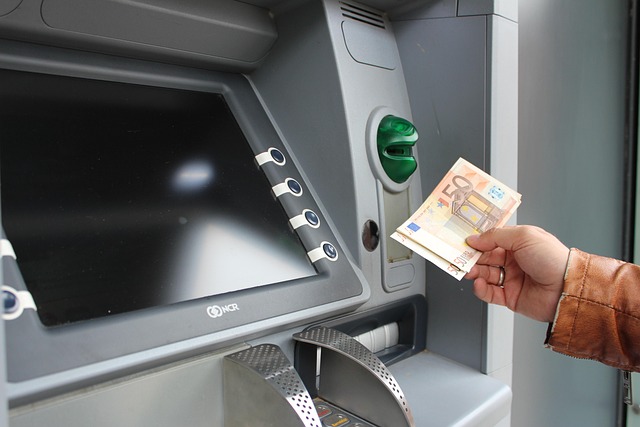
When comparing a title loan to a payday loan, one significant difference lies in their loan limits and repayment structures. Title loans generally offer higher borrowing amounts, as they use the value of your vehicle’s title as collateral, allowing for more flexible loan requirements. This can be especially beneficial for those needing larger sums to cover unexpected expenses or consolidate debts. In contrast, payday loans, due to their shorter term and higher interest rates, typically cap loan amounts, often ranging from $100 to $500.
Repayment structures also vary considerably. Title loans usually have longer repayment periods, stretching from several months to a year or more, which can result in lower monthly payments but potentially lead to paying more interest over time. Payday loans, however, demand full payoff within the loan term, often through a direct deposit into the borrower’s account, making them a quick fix but potentially setting up a cycle of debt if not repaid promptly.
When comparing title loan vs payday loan, understanding their distinct characteristics is crucial for borrowers. While both offer quick access to cash, title loans provide lower interest rates and longer repayment terms due to the collateralized nature of the loan. In contrast, payday loans have higher interest rates but shorter repayment periods. Borrowing limits vary between these options, with title loans often offering more substantial loan amounts. Borrowers should carefully consider their financial needs and repayment capabilities before selecting either type of loan, ensuring they make an informed decision in the title loan vs payday loan debate.